moutarde-5 Acqua Dolce
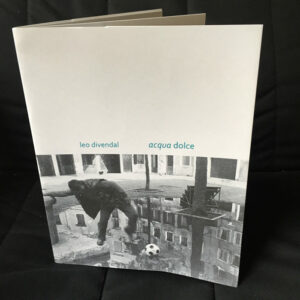
Op veel pleinen en binnenplaatsen in Venetië tref je waterputten aan: de vera da pozzo, het zichtbare gedeelte van een waterput, de putkransen. Tussen 726-1797, de periode van Venetië als Republiek, zijn ze overal in Venetië gebouwd, voor particulier en openbaar gebruik. Het stadsbestuur van Venetië vond dat iedereen over zuiver drinkwater, moest kunnen beschikken. Acqua dolce, zoet water in de stad in de zoute zee.
De putkransen -geen waterput is hetzelfde- werden vaak fraai bewerkt met bas-reliëfs, met wapenschilden van de adellijke families die ze schonken en garant stonden voor vers water. Je vindt waterputten uit de Byzantijnse tijd, de Klassieke oudheid, de Gotiek, Barokke putten en waterputten uit de 19de eeuw. De waterput op de Campo di Ghetto Nuovo draagt het wapen van de familie Da Brolo, de schenker van deze put.

In many squares and courtyards in Venice you will find wells: the vera da pozzo, the visible part of a well, the well crowns. Between 726 and 1797, the period of Venice as a Republic, they were built everywhere in Venice, for private and public use. The city council of Venice felt that everyone should have access to clean drinking water. Acqua dolce, fresh water in the city in the salty sea.
The well crowns – no well is the same – were often beautifully carved with bas-reliefs, with coats of arms of the noble families who gave them and guaranteed fresh water. You will find wells from Byzantine times, classical antiquity, Gothic, Baroque wells and wells from the 19th century. The well on the Campo di Ghetto Nuovo carries the arms of the Da Brolo family, the donor of this well, as well as the two other wells in the ghetto.